At a Glance
- Immunotherapy activates T cells against the tumour by blocking checkpoints such as PD-1/PD-L1 and CTLA-4; it can raise the 5-year survival rate in advanced-stage lung cancer to 23.2%.
- Treatment is administered as an intravenous (IV) infusion; sessions generally last 3060 minutes and are repeated every 23 weeks.
- The most common immune-related side effects are skin rash (718%), thyroid disorders (10%), and pneumonitis (3%); these can be brought under control with early diagnosis and corticosteroid treatment.
- In Turkey, these drugs are on the reimbursement list under SGK coverage for approved indications including lung cancer, melanoma, kidney cancer, and others.
Immunotherapy is a targeted treatment approach that enables the body’s own immune system defence mechanisms to recognise and destroy cancer cells. Unlike conventional chemotherapy, rather than directly poisoning the tumour, it strengthens your body’s anti-tumour response. It forms the basis of standard treatment options particularly in advanced-stage lung cancer, melanoma, and kidney cancer.
What Is Immunotherapy?
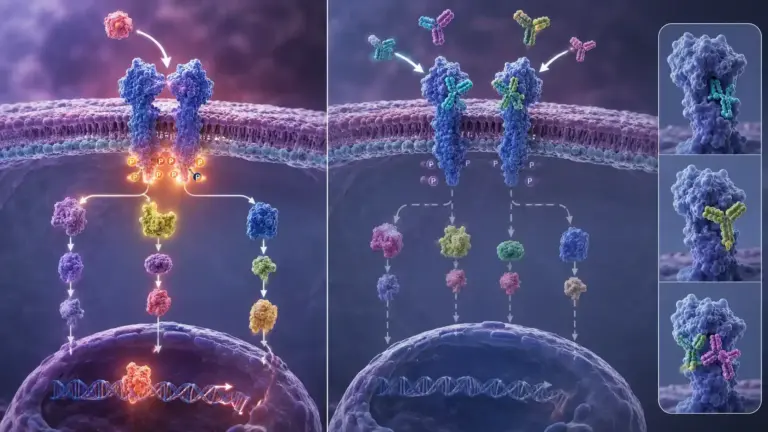
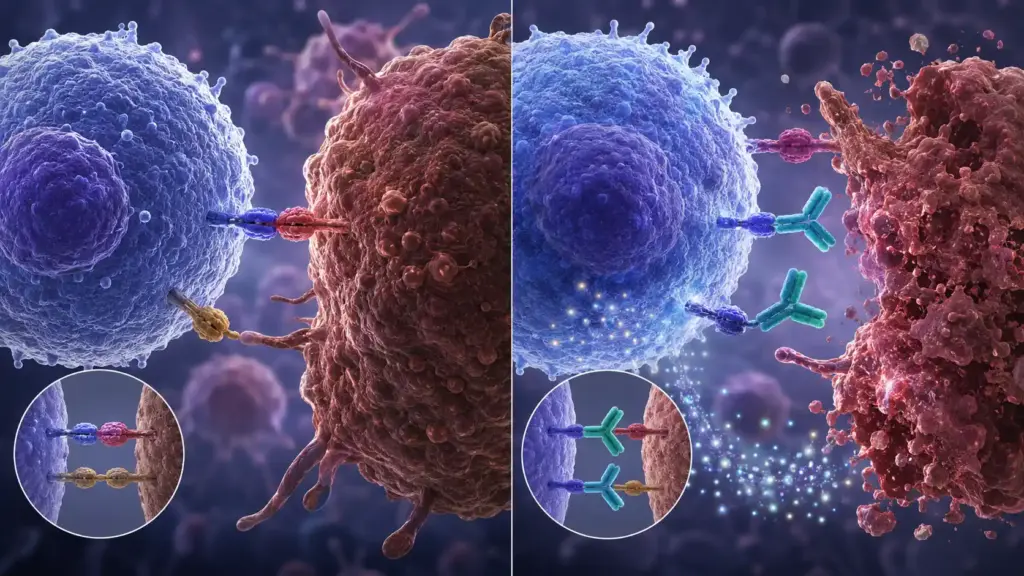
Immunotherapy is a systemic treatment method that enhances the immune system’s ability to recognise and destroy cancer cells. Cancer cells send a “I am harmless” signal by binding to the PD-1 receptor on T cells via the PD-L1 protein on their surface. Immune checkpoint inhibitors (ICIs) block this interaction to reactivate T cells to attack the tumour.
The most commonly used agents are pembrolizumab, nivolumab, atezolizumab, and ipilimumab. These drugs are monoclonal antibodies and are given intravenously.
SGK Immunotherapy Reimbursement Status (20252026)
| Drug (Active Substance) | Brand Name | SGK Status | Covered Indications |
|---|---|---|---|
| Pembrolizumab | Keytruda | Partially covered | Malignant melanoma, NSCLC, squamous cell head and neck cancer, triple-negative breast cancer |
| Nivolumab | Opdivo | Partially covered | Malignant melanoma, renal cell carcinoma, classic Hodgkin lymphoma |
| Atezolizumab | Tecentriq | Not covered | No indication |
| Ipilimumab | Yervoy | Not covered | No indication |
| Avelumab | Bavencio | Not covered | No indication |
| Durvalumab | Imfinzi | Not covered | No indication |
Important Notes:
- Pembrolizumab (Keytruda): Effective in 15 different FDA-approved cancer types, but SGK covers it in only 3 cancer types (malignant melanoma, NSCLC, head and neck cancer, triple-negative breast cancer) in six different indications. Not covered in other indications (renal cell carcinoma, urothelial carcinoma, classic Hodgkin lymphoma, metastatic gastric cancer, MSI-H/dMMR colorectal cancer, cervical cancer, hepatocellular carcinoma, endometrial carcinoma, Merkel cell carcinoma, etc.).
- Nivolumab (Opdivo): Effective in 9 different FDA-approved indications, but SGK covers it in only 3 cancer types (malignant melanoma, kidney cancer, Hodgkin lymphoma). Not covered in other indications (NSCLC, bladder cancer, head and neck cancer, etc.).
- Atezolizumab (Tecentriq): Despite being effective in many advanced-stage diseases such as lung cancer, bladder cancer, and metastatic breast cancer, it is not within SGK coverage for any indication.
Who Is Immunotherapy Applied To?
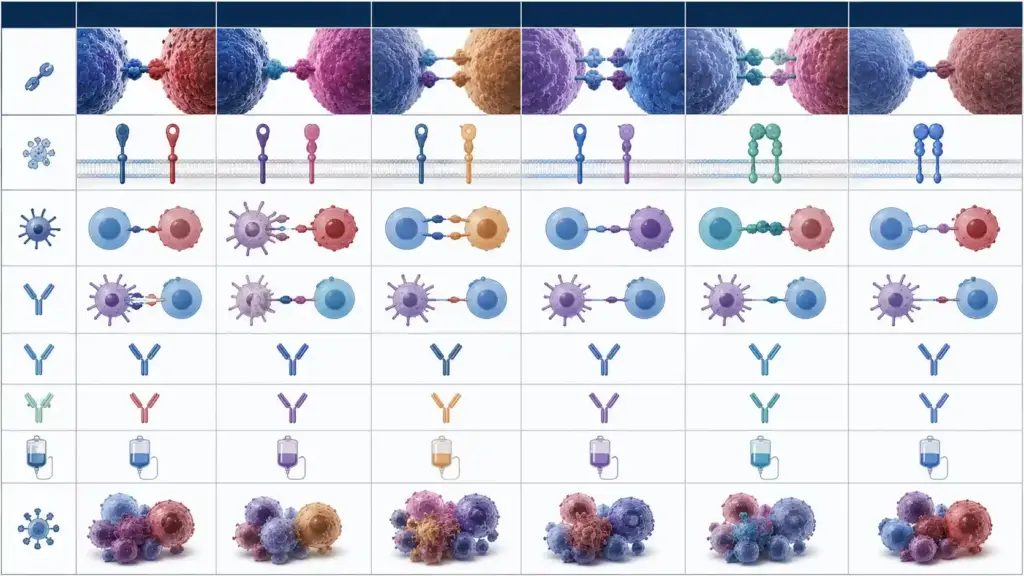
Immunotherapy is planned according to specific cancer types and biomarker status. According to Assoc. Prof. Dr Nilay Şengül, PD-L1 expression level and tumour mutation burden (TMB) are the two most critical parameters in patient selection; in patients with high PD-L1 expression, immunotherapy alone is preferred, while in those with low or negative expression, combination with chemotherapy is chosen.
- Approved indications: Advanced non-small cell lung cancer (NSCLC), melanoma, renal cell carcinoma, head and neck squamous cell carcinoma, gastric cancer, ovarian cancer, bladder cancer, Hodgkin lymphoma, MSI-H/dMMR tumours
- Stage and status: Predominantly in metastatic (Stage 4) or locally advanced disease; in recent years adjuvant and neoadjuvant use in early-stage lung cancer has also been approved
- Required biomarker tests: PD-L1 immunohistochemistry, TMB analysis, MSI/dMMR status, EGFR/ALK mutation status (in lung cancer; if these mutations are present, immunotherapy is not the priority)
- Contraindications: Active autoimmune disease (uncontrolled), active infection, pregnancy, prior organ transplant, severe chronic diseases requiring steroids
How Is Immunotherapy Administered?
Immunotherapy is administered as an intravenous infusion. The treatment process has become quite standardised for patients:
- Route of administration: IV infusion, usually from an arm vein; oral immunotherapy is not yet widespread
- Session duration: Pembrolizumab 30 minutes, nivolumab 3060 minutes, atezolizumab 3060 minutes
- Frequency: Pembrolizumab every 3 weeks; nivolumab every 2 weeks (240 mg) or every 4 weeks (480 mg); ipilimumab + nivolumab combination in different schedules
- Total duration: Generally up to 2 years or until disease progression; 1 year may also be sufficient in some cancers (melanoma)
- Hospitalisation requirement: Day-case (outpatient) treatment; hospitalisation is not required
- Pre-treatment preparation: Thyroid function tests, liver and kidney functions, blood count; PD-L1 testing is mandatory at some centres
During the first infusion, the patient is recommended to be kept under observation for 12 hours due to the risk of infusion reaction. If no reaction occurs in subsequent sessions, the observation period may be shortened.

Side Effects of Immunotherapy
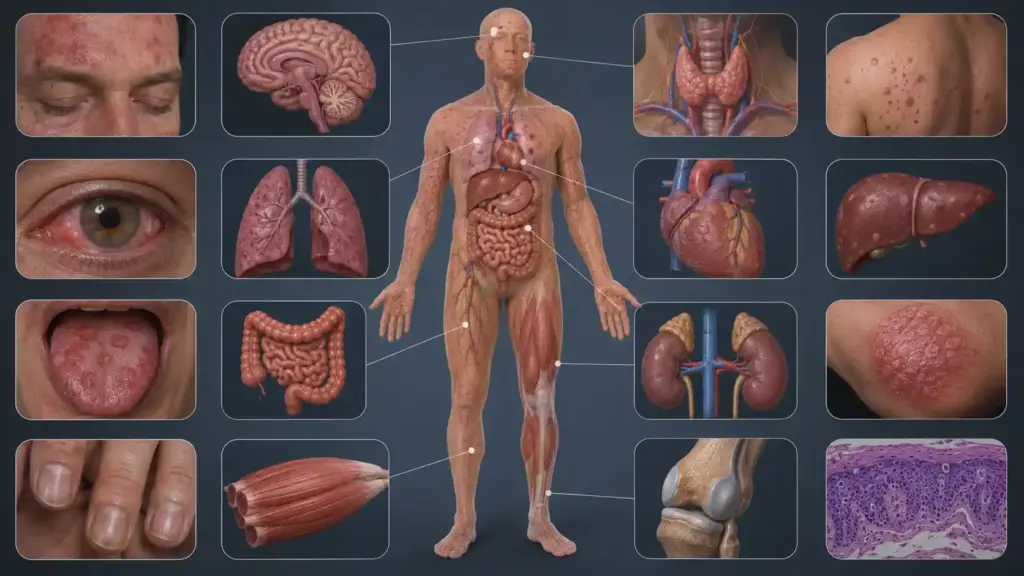
Side effects of immunotherapy, unlike chemotherapy, present as immune-related adverse events (irAEs) resulting from excessive activation of the immune system. These side effects can occur in any organ and early recognition is of vital importance.
| Organ System | Side Effect | Frequency | Severity |
|---|---|---|---|
| Skin | Rash, pruritus, vitiligo | 718% | Mildmoderate |
| Endocrine | Hyperthyroidism/hypothyroidism, hypophysitis | 10% | Moderate (hormone replacement required) |
| Lung | Pneumonitis | 3% | Serious (urgent corticosteroids) |
| Liver | Hepatitis, elevated transaminases | 13% (monotherapy), 20% (combination) | Variable |
| Gastrointestinal | Colitis, diarrhoea | 1.1% (serious) | Can be serious |
| Heart | Myocarditis | Rare (<1%) | Very serious, can be fatal |
Symptoms requiring immediate reporting: Shortness of breath, chest pain, severe diarrhoea (more than 46 times a day), severe skin rash or blisters, extreme fatigue, dizziness, palpitations, abdominal pain, bloody stools, decreased urine output, jaundice.
Corticosteroids (prednisone, methylprednisolone) are the first choice in side-effect management. In serious irAEs, immunotherapy is temporarily stopped and high-dose steroid treatment is initiated. In hormonal disorders (thyroid, adrenal), permanent hormone replacement may be required.
According to Assoc. Prof. Dr Nilay Şengül, recognising side effects at an early stage ensures continuity of treatment; if left late, the drug may be permanently discontinued. It is therefore critical for patients to immediately report any new symptom.
Immunotherapy vs Chemotherapy Comparison
| Criterion | Immunotherapy | Chemotherapy |
|---|---|---|
| Mechanism | Activates the immune system | Directly inhibits cell division |
| Application frequency | Every 24 weeks | Weekly or every 23 weeks |
| Common side effects | Fatigue, skin rash, thyroid disorder | Hair loss, nausea, infection risk, low blood counts |
| Serious side effects | Immune-related organ inflammation (irAE) | Neutropenia, febrile neutropenia, kidney/liver damage |
| Response time | May be slow to start (pseudoprogression possible) | Rapid response |
| Long-term effect | Sustainable response; remission possible after treatment | Relapse common; sustainable response rare |
Clinical Assessment by Assoc. Prof. Dr Nilay Şengül
I frequently observe the following in clinical practice: In patients who respond to immunotherapy, the response is much more sustainable than with chemotherapy, and patients can live disease-free for many years even after treatment has ended. Particularly in lung cancer patients with high PD-L1 expression, survival exceeding 5 years with pembrolizumab monotherapy alone is now an expected outcome.
According to Assoc. Prof. Dr Nilay Şengül, immunotherapy is a paradigm-changing approach in cancer treatment; however, it is not appropriate for every patient. In lung cancer patients with EGFR or ALK mutations, targeted therapy first immunotherapy is considered in later lines. Additionally, in patients with autoimmune disease, risk-benefit analysis must be performed very carefully.
Post-Treatment Process and Follow-up
Regular follow-up after treatment is completed or during treatment is critically important:
- Check-up frequency: Every 69 weeks during treatment; every 3 months for the first 2 years after treatment, then every 6 months
- Response assessment: Contrast-enhanced thorax-abdomen-pelvis CT or PET-CT every 612 weeks; MRI if there is a risk of brain metastasis
- Laboratory follow-up: Thyroid function tests (TSH, free T4) every 6 weeks; liver and kidney functions before every session
- Pseudoprogression: An increase in tumour size may be seen at the initial assessment; this is related to immune cell infiltration, and re-assessment is required 48 weeks later
- Lack of treatment response: If progression is detected, the resistance mechanism can be investigated by biopsy; alternatively, chemo + immunotherapy combination or a different immunotherapy agent can be tried

Frequently Asked Questions
How is immunotherapy given?
Immunotherapy is administered as an intravenous (IV) infusion. Each session lasts 3060 minutes and is given on an outpatient basis. During the first session you are kept under observation for 12 hours in case of allergy. Sessions are repeated every 23 weeks and generally continue for up to 2 years.
Which patients is immunotherapy applied to?
It has approved indications in advanced-stage lung cancer, melanoma, kidney cancer, gastric cancer, ovarian cancer, bladder cancer, and head and neck cancers. However, it is not appropriate for every patient; PD-L1 status, genetic profile, and general health status are assessed.
How long does immunotherapy last?
The standard duration is 2 years or until disease progression. In some cancers (e.g. melanoma), 1 year of treatment may be sufficient. Treatment duration is individualised according to response status and tolerability.
What is the difference between immunotherapy and chemotherapy?
Chemotherapy kills all dividing cells (cancer and healthy); immunotherapy trains the immune system to target only cancer cells. For this reason, hair loss, nausea, and low blood count values are rare with immunotherapy; however, there is a risk of immune-related organ inflammation.
Is immunotherapy covered by the state / SGK?
Yes, in Turkey, drugs such as pembrolizumab and nivolumab are on the reimbursement list under SGK (Social Security Institution) coverage for approved indications including lung cancer, melanoma, and kidney cancer. The patient’s diagnosis, stage, and previous treatment history are assessed for SGK approval.
Conclusion
Immunotherapy is a modern approach that harnesses the potential of the immune system in cancer treatment and has an ever-expanding list of indications. With the correct patient selection, biomarker tests, and early side-effect management, long-lasting and sustainable responses can be achieved. Individual assessment for each patient forms the basis of treatment success.
You can consult Assoc. Prof. Dr Nilay Şengül to evaluate your personal situation regarding immunotherapy and to have your questions answered. To book an appointment at Memorial Şişli Hospital, you can call 444 7 888.
References
- Garon EB et al., Lancet, 2019 Pembrolizumab for NSCLC (KEYNOTE-042) https://doi.org/10.1016/S0140-6736(18)32409-7
- NIH/NCI, “Immunotherapy to Treat Cancer” https://www.cancer.gov/…
- ESMO, “Clinical Practice Guidelines for Immuno-Oncology,” 2024 https://www.esmo.org/guidelines