📌 What You Need to Know in a Nutshell
- Cervical cancer is the fourth most common cancer among women worldwide; in 2022, 661,021 new cases and 348,874 deaths were reported.
- HPV subtypes 16 and 18 account for 70% of all cases; vaccination provides over 90% protection against these subtypes.
- The 5-year survival rate reaches 97% in early-stage disease (FIGO IA1); this rate drops to 17.9% in advanced-stage disease (IVB).
- Pap smears and HPV screening are the cornerstones of early diagnosis; HPV testing is recommended every 5 years for women aged 30–65.
Cervical cancer
is a preventable malignancy that originates in the cervical tissue and is almost entirely associated with HPV (human papillomavirus) infection. While more than 660,000 new cases are diagnosed worldwide each year, this disease ranks as the second leading cause of cancer-related deaths among women in developing countries. For most patients diagnosed at an early stage, curative treatment is possible through radical surgery or chemoradiotherapy; in advanced stages, immunotherapy and targeted therapies significantly extend survival.
What Is Cervical Cancer?
Cervical cancer
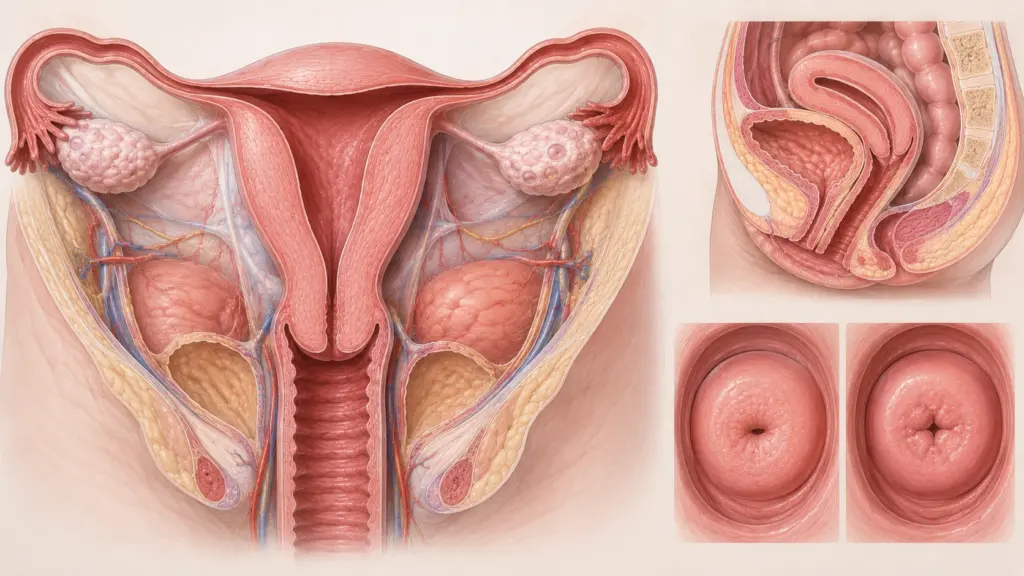
is a malignant tumor that originates in the cervical epithelium. Histologically, 85–90% are squamous cell carcinomas, 10–15% are adenocarcinomas, and a small proportion are adenosquamous carcinomas, neuroendocrine tumors, and other rare types. Squamous cell carcinomas arise from the squamous cells on the outer surface of the cervix (ectocervix), while adenocarcinomas arise from the glandular cells lining the cervical canal (endocervix).
According to GLOBOCAN 2022 data, cervical cancer is the fourth most common cancer among women worldwide, with 661,021 new cases and 348,874 deaths reported. This rate is higher in developing countries; according to World Health Organization (WHO) data, more than 90% of cervical cancer deaths worldwide occur in low- and middle-income countries. In Turkey, approximately 4,000–5,000 new cases of cervical cancer are diagnosed each year.
According to Assoc. Prof. Dr. Nilay Şengül, cervical cancer is one of the most successfully preventable cancers in modern oncology; it can be nearly completely eliminated through the HPV vaccine, regular screening, and early treatment. However, vaccination rates and screening participation in Turkey have not yet reached the desired levels; this situation represents a critical area for public health intervention.
Symptoms of Cervical Cancer
Early-stage cervical cancer is usually asymptomatic; therefore, regular screening tests are of critical importance. By the time symptoms appear, the disease has usually progressed to a locally advanced stage or involved lymph nodes.
The most common symptoms are:
- Abnormal vaginal bleeding: Bleeding outside of menstruation, bleeding after sexual intercourse (postcoital bleeding), or bleeding after menopause are the most common symptoms.
- Abnormal vaginal discharge: Watery, bloody, or foul-smelling discharge is more common, particularly in adenocarcinoma.
- Pelvic pain: Persistent or postcoital pelvic pain is a sign of advanced disease.
- Back pain: This may occur when hydronephrosis develops due to ureteral involvement.
- Urinary and bowel dysfunction: These occur when the cancer has spread to the bladder or rectum.
- Leg swelling: May develop due to impaired lymphatic drainage.
Assoc. Prof. Dr. Şengül emphasizes that in her clinical practice, approximately 60% of patients diagnosed with cervical cancer present with “bleeding after sexual intercourse” as their first symptom. This symptom should raise suspicion of cervical cancer, particularly in women under 40, as breast cancer or endometrial cancer is less common in this age group.
What Causes Cervical Cancer? Risk Factors
HPV infection is virtually the sole and most significant factor in the development of cervical cancer. HPV subtypes 16 and 18 account for approximately 70% of all cervical cancer cases. Other high-risk types, such as HPV 31, 33, 45, 52, and 58, also play a significant role. HPV is transmitted sexually, and the lifetime risk of infection is over 80% once sexual activity begins.
Other important risk factors include:
- Early sexual activity: The risk increases in women who become sexually active before age 16.
- Multiple sexual partners: The number of sexual partners for both the woman and her partner affects the risk.
- Smoking: Nicotine and other carcinogens accumulate in the cervical mucosa and increase the persistence of HPV infection.
- Immune deficiency: HIV infection, immunosuppression following organ transplantation, and chronic steroid use increase the risk.
- Oral contraceptive use: Long-term use (>5 years) is associated with a slight increase in risk.
- Multiple births: Three or more full-term pregnancies are associated with a slight increase in risk.
- Low socioeconomic status: Low income and educational level limit access to screening programs.
The progression of HPV-related cervical cancer occurs over the course of several years: Acute HPV infection → Persistent infection → Cervical intraepithelial neoplasia (CIN) → Invasive carcinoma. This process takes an average of 10–20 years; therefore, with regular screening, precancerous lesions can be detected and treated at an early stage.
How Is Cervical Cancer Diagnosed? Diagnosis and Screening
Cervical cancer is diagnosed through a clinical examination, a Pap smear, an HPV test, and a colposcopic biopsy. Imaging methods (MRI, CT, PET-CT) are used for staging.
Screening Tests
Pap smear:
This involves the microscopic examination of a cell sample taken from the surface of the cervix. Abnormal cells (ASC-US, LSIL, HSIL) are identified. It has a sensitivity of 70–80%.
HPV test:
Detects the DNA or mRNA of high-risk HPV types. It has a higher sensitivity (95%+) compared to the Pap test. The U.S. Preventive Services Task Force (USPSTF) recommends a primary HPV test every 5 years or a Pap test every 3 years for women aged 30–65.
Colposcopy:
This procedure is performed in patients with abnormal Pap smear or HPV test results. The cervix is examined under magnification; abnormal areas are identified using acetic acid and Lugol’s solution, and a biopsy is taken.
Diagnostic Process
- Medical history and physical examination: Sexual history, bleeding, discharge, and previous screening results are reviewed. The cervix is visually assessed via a speculum examination.
- Biopsy: A punch biopsy or endocervical curettage is performed on the suspicious area under colposcopy. This is the gold standard for diagnosis.
- Histopathological evaluation: Tumor type, grade, depth of stromal invasion, and lymphovascular invasion are assessed.
- Imaging: Pelvic MRI (to assess local spread), chest-abdominal-pelvic CT (to detect distant metastases), and PET-CT (to assess lymph node involvement) are ordered.
According to Assoc. Prof. Dr. Nilay Şengül, free Pap smear tests and HPV tests are offered in Turkey as part of cervical cancer screening programs (KETEM); however, the screening participation rate remains around 30–40%. Regular screening starting at age 30 is the most effective strategy for preventing this cancer.
Stages of Cervical Cancer and FIGO Staging
Cervical cancer staging was revised by FIGO in 2018. This revision is the first staging system to combine imaging and pathological findings. The most significant change is the definition of lymph node involvement as a separate stage (IIIC).
| FIGO 2018 Stage | Definition | 5-Year Survival |
|---|---|---|
| IA1 | Microscopic invasion, stromal depth ≤3 mm, horizontal spread ≤7 mm | 97%+ |
| IA2 | Microscopic invasion, stromal depth 3–5 mm, horizontal spread ≤7 mm | 95%+ |
| IB1 | Tumor ≤2 cm | 97% |
| IB2 | Tumor 2–4 cm | 92.1% |
| IB3 | Tumor >4 cm | 83.1% |
| IIA1 | Upper vaginal involvement, ≤4 cm | ~85% |
| IIA2 | Upper vaginal involvement, >4 cm | ~75% |
| IIB | Involvement of the parametrium, negative lymph nodes | ~65% |
| IIIC1 | Pelvic lymph node metastasis | 75.1% |
| IIIC2 | Para-aortic lymph node metastasis | 44.4% |
| IVB | Distant metastasis | 17.9 |
The most significant innovation in the 2018 FIGO staging system is the definition of lymph node involvement as a separate stage (IIIC). According to a study by Sert and colleagues from Ege University involving 184 patients, a 70.7% rate of stage migration was observed with the 2018 FIGO classification. In patients with pelvic lymph node metastasis (IIIC1), the 5-year overall survival (OS) was 75.1% and progression-free survival (PFS) was 61.7%. In patients with para-aortic lymph node metastasis (IIIC2), these rates decreased to 44.4% for OS and 50.0% for PFS.
A systematic review and meta-analysis published in *Frontiers in Oncology* in 2024 demonstrated that tumor size in stage IIIC1 affects survival: The 5-year OS was found to be 72.2% for T1 tumors, 54.1% for T2, and 18.6% for T3. This finding highlights that stage IIIC1 is a heterogeneous group and that tumor size has prognostic value.
How Is a Cervical Cancer Screening Test Performed?
Cervical cancer screening is a simple, painless, and quick procedure. In Turkey, it is offered free of charge through the Cancer Early Diagnosis, Screening, and Education Centers (KETEM).
Pap Smear Test
A Pap smear involves collecting a cell sample from the surface of the cervix after it has been visualized using a speculum. The procedure takes 2–3 minutes and is painless. The sample is stained using the Papanicolaou staining method in the laboratory and evaluated by a pathologist under a microscope. Results are reported using the Bethesda system: normal, ASC-US (atypical squamous cells of undetermined significance), LSIL (low-grade intraepithelial lesion), HSIL (high-grade intraepithelial lesion), and SCC (squamous cell carcinoma).
HPV Test
The HPV test detects DNA or mRNA of high-risk HPV types in a sample taken from the cervix. It has higher sensitivity than the Pap test and can detect precancerous lesions at an earlier stage. According to the 2024 USPSTF guidelines, women aged 30–65 are recommended to undergo a primary HPV test every 5 years or an HPV/Pap smear co-test every 5 years.
Colposcopy and Biopsy
Colposcopy is performed in patients with abnormal Pap smear or HPV test results. A colposcope is an optical device that magnifies the cervix 10–40 times for examination. After applying acetic acid (3–5%), abnormal areas (aceto-white areas, mosaic pattern, punctate lesions) are identified. A punch biopsy is taken from suspicious areas. If necessary, endocervical curettage (ECC) is also performed.
| Test | When | Sensitivity | Recommendation |
|---|---|---|---|
| Pap Smear | Ages 21–29: Every 3 years | 70–80% | USPSTF Ages 21–29 |
| HPV test | Ages 30–65: Every 5 years | 95%+ | USPSTF primary screening |
| HPV + Pap smear (co-test) | Ages 30–65: Every 5 years | 95%+ | USPSTF alternative |
| Colposcopy + Biopsy | After an abnormal screening result | 95%+ (diagnosis) | Gold standard for diagnosis |
Cervical Cancer Treatment
Cervical cancer treatment is tailored to the individual based on the stage of the disease, tumor size, histological type, lymph node status, the patient’s age, and desire for fertility. The primary treatment options are surgery, radiation therapy, and chemotherapy.
Early Stage (FIGO IA1–IB1)
In patients with stage IA1 and no lymphovascular invasion (LVSI), conization (cone biopsy) is sufficient if fertility preservation is desired. If fertility is not a concern, an extraperitoneal hysterectomy (simple hysterectomy) is recommended.
In patients with Stage IA2–IB1, if fertility preservation is desired, a radical trachelectomy (removal of the cervix while preserving the uterus) and pelvic lymph node dissection are performed. If fertility is not a concern, radical hysterectomy (Wertheim procedure) and pelvic lymph node dissection are the standard treatment. According to the 2026 NCCN guidelines, radical trachelectomy is recommended only for patients with Stage IA2–IB1 disease who have a tumor ≤2 cm and stromal invasion <10 mm.
Locally Advanced Stage (FIGO IB2–IVA)
For patients with stage IB2 and higher, the standard treatment is concurrent chemoradiotherapy (CCRT) and brachytherapy. Radiotherapy consists of 45–50 Gy of external beam radiation therapy (EBRT) to the pelvic region and 20–40 Gy of brachytherapy (internal radiation therapy) to the cervix. Chemotherapy consists of weekly cisplatin (40 mg/m²) or a combination of cisplatin and 5-FU.
According to Medscape 2025 data, the NCCN and ESMO guidelines also accept radical hysterectomy following neoadjuvant chemotherapy as an option for patients with stage IB2–IIIB disease. However, concurrent chemoradiotherapy remains the preferred treatment.
Metastatic and Recurrent Disease
In the treatment of metastatic (stage IVB) or recurrent cervical cancer, systemic therapy is the primary approach. According to the NCCN 2026 guidelines, the preferred regimen for first-line treatment is the combination of atezolizumab + chemotherapy (cisplatin/carboplatin + paclitaxel) + bevacizumab, based on the results of the BEATcc trial. The median progression-free survival (PFS) is 13.7 months, and the median overall survival (OS) is 32.1 months.
In second-line treatment, pembrolizumab (Keynote-028 and Keynote-158 studies) is the preferred option for PD-L1-positive (CPS ≥1) tumors. Pembrolizumab is also effective in tumors with microsatellite instability-high (MSI-H) or mismatch repair deficiency (dMMR).
According to Assoc. Prof. Dr. Nilay Şengül, the immunotherapy revolution in cervical cancer has significantly expanded treatment options, particularly in metastatic disease. The BEATcc trial demonstrated that the addition of atezolizumab increased median overall survival (OS) from 22.8 months to 32.1 months; this marks the first time an immunotherapy combination has provided a clinically meaningful survival benefit in cervical cancer.
Cervical Cancer Surgery: What to Expect?
Cervical cancer surgery is planned with varying scopes depending on the stage of the disease and the patient’s desire to preserve fertility. While a simple hysterectomy may be sufficient in early stages, a radical hysterectomy and lymph node dissection may be required in advanced stages.
Preoperative:
Blood tests, an EKG, a chest X-ray, a pelvic MRI, and an anesthesia consultation are performed prior to hospital admission. Anticoagulant medications are discontinued before surgery. Preoperative preparation includes bowel preparation and the insertion of a urinary catheter.
Surgical procedure:
The procedure is performed under general anesthesia. A radical hysterectomy (Wertheim procedure) involves the removal of the uterus, cervix, 1–2% of the upper vagina, the parametrium, and pelvic lymph nodes. The surgery typically lasts 3–5 hours. Laparoscopic and robotic approaches result in less bleeding and a faster recovery compared to open surgery.
Fertility-sparing surgery:
A radical trachelectomy preserves the uterus while removing the cervix and part of the upper vagina. Pregnancy is possible after surgery; however, due to the risk of cervical insufficiency, cervical cerclage (stitching) may be required during pregnancy. Delivery is usually performed by cesarean section.
Postoperative care:
The hospital stay lasts 3–7 days. A Foley catheter may remain in place for 7–14 days. In patients who undergo pelvic lymph node dissection, the risk of lymphedema (leg swelling) ranges from 10% to 30%. Urinary retention, wound infection, and venous thromboembolism are other potential complications. Sexual function and menopause symptoms should be evaluated.
Assoc. Prof. Dr. Şengül notes that the most common problem encountered in her clinical practice following cervical cancer surgery is “urinary retention.” Bladder emptying function may be temporarily impaired due to manipulation of the pelvic nerves; therefore, the Foley catheter should be removed carefully, and postvoid residual urine should be monitored.
Clinical Assessment by Assoc. Prof. Dr. Nilay Şengül
In my clinical practice, I frequently observe the following: A significant proportion of patients diagnosed with cervical cancer are classified as stage IB2 or higher (locally advanced stage) at the time of diagnosis. The primary reason for this is that participation rates in screening programs in Turkey remain low. According to Assoc. Prof. Dr. Nilay Şengül, cervical cancer can be almost completely prevented through HPV vaccination and regular screening; however, achieving this goal requires strengthening both health policies and public awareness.
Furthermore, the immunotherapy revolution in cervical cancer has transformed the treatment paradigm, particularly for metastatic and recurrent disease. Results from the BEATcc trial show that the combination of atezolizumab, chemotherapy, and bevacizumab increased median overall survival to 32.1 months; this marks the first time an immunotherapy combination has provided a clinically meaningful survival benefit in cervical cancer. This development allows us to reposition cervical cancer as a “treatable” chronic disease in medical oncology practice.
From Diagnosis to Recovery: How Does the Process Proceed?
- Initial examination and medical history: During the initial gynecological examination, abnormal bleeding, discharge, pelvic pain, and previous screening results are thoroughly assessed. Family history, HPV vaccination status, smoking history, and sexual history are recorded. The cervix is visually assessed via a speculum examination.
- Tests and Imaging: A Pap smear, HPV test, and colposcopy with biopsy are performed. After a diagnosis is made, an MRI of the pelvis (to assess local spread), a CT scan of the chest, abdomen, and pelvis (to assess distant metastases), and a PET-CT scan (to assess lymph node involvement) are ordered. Blood tests (complete blood count, biochemistry, coagulation, and tumor markers) are performed.
- Treatment planning: The stage of the disease and treatment strategy are determined by a multidisciplinary tumor board (gynecologist, medical oncologist, radiation oncologist, pathologist, and radiologist). Surgery is planned for early-stage disease; chemoradiotherapy for locally advanced disease; and systemic therapy for metastatic disease.
- Surgical/chemoradiotherapy process: In early-stage disease, a radical hysterectomy or trachelectomy is performed, along with pelvic lymph node dissection. In locally advanced stages, concurrent chemoradiotherapy and brachytherapy are administered over a period of 5–6 weeks. In metastatic stages, systemic chemotherapy plus immunotherapy is administered every 3 weeks.
- Hospital stay and discharge: The hospital stay following surgery is 3–7 days. Chemoradiotherapy is administered on an outpatient basis. After systemic treatment, chemotherapy-related nausea, bone marrow suppression, and fatigue are managed.
- Recovery and follow-up: Follow-up is recommended every 3 months for the first 2 years, every 6 months from years 3 to 5, and annually after the 5th year. Follow-up includes a pelvic exam, cervical/vaginal smear, inguinal palpation, and imaging as needed. Physical therapy and compression stockings are recommended for patients who develop lymphedema. Sexual function, menopause symptoms, and psychological support are assessed.
According to Assoc. Prof. Dr. Nilay Şengül, the most critical period in post-treatment follow-up for cervical cancer is the first 2 years, as most recurrences occur during this time. Regular and consistent follow-up enables the early detection of and intervention for recurrences. In addition, managing sexual function and menopausal symptoms after treatment is critical for maintaining the patient’s quality of life.
Frequently Asked Questions
What is the difference between uterine cancer and cervical cancer?
Uterine cancer (endometrial cancer) originates in the endometrium, the inner lining of the uterus; the most common symptom is postmenopausal bleeding. Cervical cancer, on the other hand, originates in the tissue of the cervix; the most common symptom is bleeding after sexual intercourse. Endometrial cancer is generally seen in women over the age of 50, while cervical cancer is more common in younger women (ages 40–50). Treatment approaches also differ.
What helps with cervical cancer?
Treatment for cervical cancer involves a combination of surgery, radiation therapy, chemotherapy, and immunotherapy, depending on the stage. In early stages, a radical hysterectomy or trachelectomy is performed; in locally advanced stages, chemoradiotherapy is used; and in metastatic stages, systemic treatment (chemotherapy + immunotherapy) is administered. “Remedies” outside of standard treatment (herbal products, alternative therapies) lack scientific support and cannot replace standard treatment.
Who is eligible for the cervical cancer vaccine?
The HPV vaccine can be administered to women and men aged 9–45. According to recommendations from the U.S. CDC and WHO, routine vaccination is recommended at ages 11–12; vaccination can begin as early as age 9. It is also recommended for adults aged 13–26. For adults aged 27–45, the vaccine may be recommended following a risk-benefit assessment with a doctor. The vaccine is most effective before the onset of sexual activity; however, it may still be beneficial for individuals who have previously had an HPV infection.
At what age is the cervical cancer vaccine administered?
The HPV vaccine can be administered starting at age 9. Routine vaccination is recommended at ages 11–12. “Catch-up” vaccination is recommended for adults aged 13–26. For adults aged 27–45, the vaccine may be recommended following a risk-benefit assessment with a doctor. The vaccine is administered in 2 doses (ages 9–14) or 3 doses (ages 15 and older).
Can cervical cancer be detected through a blood test?
Cervical cancer cannot be directly detected through routine blood tests (complete blood count, biochemistry). However, tumor markers (SCC antigen, CA-125) may be elevated in some patients; these markers are used to monitor treatment response, not for diagnosis. The diagnosis is made through a Pap test, HPV test, colposcopy, and biopsy.
Is cervical cancer treatable?
Early-stage cervical cancer (FIGO IA1–IB1) has a curative treatment success rate of over 95% with radical surgery or chemoradiotherapy. In locally advanced stages (IB2–IVA), 5-year survival rates range from 60% to 75% with chemoradiotherapy. In the metastatic stage (IVB), median survival can reach 32.1 months with systemic therapy (chemotherapy + immunotherapy). The BEATcc study demonstrated that the addition of atezolizumab significantly extended survival.
How long does cervical cancer treatment take?
Early-stage surgical treatment is completed in a single session; recovery takes 4–6 weeks. Chemoradiotherapy for locally advanced disease lasts 5–6 weeks (25–30 fractions of EBRT + 3–5 brachytherapy sessions). Systemic treatment for metastatic-stage disease is administered in cycles repeated every 3 weeks; the treatment duration may be 6–12 months or longer, depending on the response.
Is cervical cancer contagious?
Cervical cancer itself is not contagious. However, the underlying HPV infection is sexually transmitted. The HPV vaccine reduces the transmission of this virus and, consequently, the risk of cervical cancer. Using condoms between HPV-positive partners reduces the risk of transmission but cannot prevent it entirely.
How is cervical cancer transmitted?
HPV, which causes cervical cancer, is transmitted sexually (vaginally, anally, and orally). It is not transmitted through skin-to-skin contact or through blood. Once sexual activity begins, the lifetime risk of HPV infection is over 80%. Having multiple sexual partners, engaging in sexual activity at a young age, and smoking increase the risk.
Where can I get the cervical cancer vaccine?
The HPV vaccine is available from family doctors, gynecologists, pediatricians, and vaccination centers. In Turkey, the HPV vaccine—which is included in the National Immunization Schedule—is administered free of charge to girls aged 9–14. For women and men aged 15 and older, the vaccine is available at private healthcare facilities and pharmacies.
Can cervical cancer be detected on an ultrasound?
A transvaginal ultrasound can directly visualize cervical cancer; however, it is not sufficient for a diagnosis. Ultrasound helps assess tumor size, spread within the uterus, and involvement of pelvic organs. A biopsy is required for a definitive diagnosis. MRI is the gold standard for local staging.
Can cervical cancer be transmitted to men?
HPV infection is also transmitted to men through sexual contact and increases the risk of penile cancer, anal cancer, and oropharyngeal cancer. However, cervical cancer occurs only in women because cervical tissue is present only in women. HPV-related cancers are rarer in men and typically develop at an older age.
Can virgins get cervical cancer?
Although HPV infection is transmitted sexually, cervical cancer can rarely occur in virgins. In rare cases, HPV can be transmitted through skin-to-skin contact or other means. Additionally, there are cases of HPV-unrelated cervical cancer (such as some adenocarcinomas). However, in general, getting the HPV vaccine before becoming sexually active is the most effective method of protection.
Can someone with cervical cancer have sexual intercourse?
Sexual activity before and after treatment is evaluated based on the patient’s overall condition and the stage of treatment. Sexual intercourse is generally not recommended for 4–6 weeks after surgery (to allow the wound to heal). After chemoradiotherapy, vaginal dryness, narrowing, and pain may develop; the use of a vaginal dilator and lubricant is recommended. Preserving sexual function after treatment is important for quality of life.
Is cervical cancer genetic?
Cervical cancer is not a directly hereditary disease. However, genetic factors that affect the immune response to HPV infection (HLA alleles, immune regulation genes) may slightly influence the risk. The increased risk in women with a family history is due to shared environmental factors (HPV, smoking, socioeconomic status), not genetics. Hereditary cancer syndromes, such as Lynch syndrome, do not increase the risk of cervical cancer.
When should the cervical cancer vaccine be administered?
The HPV vaccine is most effective before the onset of sexual activity (ages 11–12); however, it may also be beneficial for individuals who have previously had an HPV infection. The vaccine is administered either in a 2-dose schedule (ages 9–14, at 0 and 6–12 months) or a 3-dose schedule (ages 15 and older, at 0, 1–2, and 6 months). The vaccine does not treat a current HPV infection or cervical cancer; it only prevents future infections.
How is cervical cancer screening performed?
Screening is performed by collecting a cell sample with a smear brush or spatula after the cervix is made visible using a speculum. The procedure takes 2–3 minutes and is painless. The same sample can be used for an HPV test. Free screening is available at KETEM centers in Turkey. Women aged 30–65 are recommended to have an HPV test every 5 years or a Pap smear every 3 years.
Is the uterus removed in cervical cancer?
In early-stage cervical cancer (IA1–IB1), radical hysterectomy (removal of both the uterus and cervix) is the standard treatment. If fertility is to be preserved, radical trachelectomy (removal of only the cervix, with the uterus preserved) may be performed. In locally advanced stages (IB2–IVA), radiation therapy is the preferred treatment; surgery is generally not performed. In cases of recurrence, pelvic exenteration (removal of the uterus, bladder, and rectum together) may rarely be an option.
Is cervical cancer fatal?
Early-stage cervical cancer (FIGO IA1–IB1) has a curative treatment success rate of over 95% with radical surgery or chemoradiotherapy. In locally advanced stages (IB2–IVA), 5-year survival rates range from 60% to 75%. In the metastatic stage (IVB), median survival can reach 32.1 months with combination immunotherapy. With early diagnosis and appropriate treatment, life expectancy can be significantly extended; however, the prognosis is more limited in advanced stages.
Cervical cancer is an HPV-related malignancy that is preventable and has a high treatment success rate when diagnosed early. While more than 660,000 new cases are diagnosed worldwide each year, the vast majority of these occur in low- and middle-income countries. Cervical cancer can be nearly completely eliminated through HPV vaccination, regular Pap smears, and HPV screening. The 2018 FIGO staging system provides a more accurate prognostic classification by defining lymph node involvement as a separate stage. Surgery is the standard treatment for early-stage disease; chemoradiotherapy is used for locally advanced disease; and immunotherapy combinations (atezolizumab + chemotherapy + bevacizumab) are the standard treatment for metastatic disease.
To assess your personal situation regarding cervical cancer and have your questions answered, you can consult with Assoc. Prof. Dr. Nilay Şengül. To schedule an appointment at her clinic at Memorial Şişli Hospital, please call 444 7 888
.
Sources
- PMC/NIH, “Implications of the revised cervical cancer FIGO staging system” — https://pmc.ncbi.nlm.nih.gov/articles/PMC9131753/
- Sert F. et al., Turkish Journal of Oncology, “Comparison of FIGO 2018 and 2009 Staging Systems for Operated Cervical Carcinoma” — https://onkder.org/pdf.php?&id=1236
- NCCN, “Cervical Cancer, Version 2.2026, NCCN Clinical Practice Guidelines in Oncology” — https://jnccn.org/view/journals/jnccn/23/12/article-p549.xml
- Medscape, “Cervical Cancer Guidelines” — https://emedicine.medscape.com/article/253513-guidelines
- Frontiers in Oncology, “Stage migration and survival outcomes in patients with Stage IIIC cervical cancer according to the 2018 FIGO staging system: a systematic review and meta-analysis” — https://www.frontiersin.org/journals/oncology/articles/10.3389/fonc.2024.1460543/full
- Gynecologic Oncology, “Prognostic value of the 2018 FIGO staging system for cervical cancer” — https://www.gynecologiconcology-online.net/article/S0090-8258(22)00127-5/fulltext
- NCCN Guidelines for Patients, “Cervical Cancer” — https://www.nccn.org/patients/guidelines/content/PDF/cervical-patient-guideline.pdf
- MDPI Cancers, “Management for Cervical Cancer Patients” — https://www.mdpi.com/2072-6694/16/14/2541