At a Glance
- According to NCI data, eating 56 small meals a day during chemotherapy reduces nausea and supports nutritional intake.
- Plant-based protein sources contain higher vitamins and minerals than animal proteins; this preserves immune function.
- Foods containing omega-3 fatty acids (avocado, walnuts, olive oil) may help reduce chemotherapy-related inflammation.
- Oral glutamine supplementation may reduce the severity and duration of chemotherapy-related mucositis.
Choosing the right foods during chemotherapy not only helps maintain weight; it increases treatment tolerance, alleviates side effects, and supports the recovery process. So which foods come to the fore during this process, and which should be avoided? Here is a practical guide supported by clinical evidence.
What Is the Connection Between Chemotherapy and Nutrition?
Chemotherapy, while targeting rapidly dividing cancer cells, can also affect healthy cells. This leads to side effects such as loss of appetite, nausea, vomiting, mucositis, diarrhoea, and alterations in taste. According to NCI data, the risk of malnutrition increases in a significant proportion of patients receiving chemotherapy, and this reduces treatment tolerance.
Nutrition strategies during chemotherapy are of critical importance for managing these side effects and preserving the body’s protein stores. Adequate energy and protein intake supports tissue repair, preserves immune function, and improves overall quality of life.
Why Is This Topic Important?
Weight loss and loss of muscle mass during chemotherapy can lead to dose reduction and even interruption of treatment. According to NCI’s Nutrition in Cancer Care guidelines, a proactive nutritional programme reduces the risk of malnutrition, improves treatment outcomes, and enhances quality of life. Additionally, nutritional intervention managed by a dietitian may help improve overall survival in patients receiving chemotherapy.
According to Assoc. Prof. Dr Nilay Şengül, nutritional status assessment before chemotherapy should be addressed as part of the treatment plan. “In clinical practice, I observe that patients who optimise their nutritional status before starting chemotherapy experience far fewer side effects during treatment and tolerate it much better,” she says.
What Should Be Eaten on Chemotherapy Days?
Nutritional strategy on chemotherapy days can be addressed in three phases: before, during, and after treatment:
Before Treatment: Light and Bland Foods
Light, low-fat, and non-spicy foods should be preferred before chemotherapy infusion. According to Stanford Health Care recommendations, options such as yoghurt, boiled eggs, chicken soup, rice porridge, or peanut butter toast are suitable. These foods provide energy without straining the stomach and reduce the risk of nausea.
During Treatment: Small Snacks
Eating small amounts during the infusion can be beneficial even when there is no appetite. Foods such as banana, apple purée, crackers, low-acid fruit juices (apple, grape), and liquid yoghurt can be preferred. Drinking plenty of water is important; however, excessive fluid intake during meals should be avoided.
After Treatment: Frequent Small Meals
In the first few days after chemotherapy, 56 small meals per day is the most appropriate approach. According to NCI recommendations, cold or room-temperature foods release less odour; this is one of the factors that trigger nausea. Low-fat, mildly sweet foods and adequate fluid intake are priorities.
Which Food Groups Are Priority?
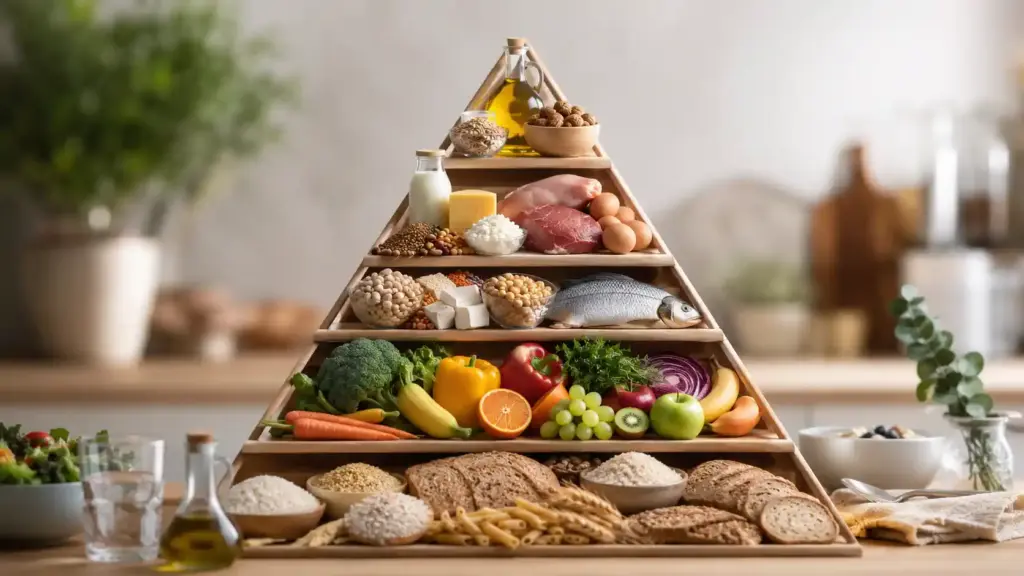
The nutritional plan during chemotherapy should establish a balanced structure by emphasising certain food groups:
| Food Group | Examples | Benefit |
|---|---|---|
| Plant-Based Proteins | Lentils, chickpeas, beans, almonds, walnuts | High vitamin/mineral content; immune support |
| Healthy Fats | Avocado, olive oil, walnuts, flaxseed | Omega-3 to reduce inflammation; cardiovascular support |
| Whole Grains | Oats, wholemeal, bulgur, brown rice | Soluble fibre; gut health and metabolism |
| Vitamin/Mineral Sources | Vitamin D-fortified milk, yoghurt, orange juice | Enzymatic processes; immune function |
Assoc. Prof. Dr Şengül emphasises that protein intake is particularly important in clinical practice: “Preserving muscle mass during chemotherapy is critical. Having a protein source at every meal whether plant-based or animal significantly increases treatment tolerance.”
Practical Nutritional Tips for Managing Side Effects
Nutrition-focused solutions exist for common side effects related to chemotherapy:
- Nausea and vomiting: Ginger may be effective in controlling chemotherapy-related nausea and vomiting. According to NCI data, ginger extracts used together with standard antiemetic drugs significantly reduce nausea. Peppermint and spearmint oils have shown a similar effect.
- Mouth sores (mucositis): Cold or room-temperature soft foods should be preferred; citrus fruits, spicy, and salty foods should be avoided. Oral glutamine supplementation may reduce the severity and duration of mucositis.
- Diarrhoea: According to NCI recommendations, foods containing sodium and potassium (chicken broth, banana, peach juice, boiled potato) and low-fibre, bland foods (rice, noodles, white bread) should be preferred.
- Constipation: High-fibre foods with doctor’s approval, physical activity, and adequate fluid intake are recommended.
- Taste disturbance: A decrease in the sense of taste can be seen in up to 70% of patients receiving chemotherapy. Vitamin D supplementation and zinc (50 mg daily, for a maximum of 60 days) may be beneficial in this situation.
Common Misconceptions and Points to Consider
There are many misconceptions about nutrition during chemotherapy:
- “Cancer cells need to be starved”: This approach is completely wrong. Starvation weakens healthy cells, reduces treatment tolerance, and suppresses immunity.
- “Supplements can replace proper diet”: Nutritional supplements cannot replace a balanced diet. Moreover, some antioxidant supplements may reduce chemotherapy efficacy; therefore supplements should not be used without a doctor’s approval.
- “A neutropenic diet is essential”: According to the Cochrane Review, the benefit of avoiding all possible microbial sources in the case of chemotherapy-related neutropenia has not been proven. Basic food safety rules (washing hands, thoroughly cleaning vegetables, storing food at the appropriate temperature) are sufficient.
According to Assoc. Prof. Dr Nilay Şengül, the biggest mistake is patients trying to implement “miracle diets” they have read about on the internet: “Some patients who come to my clinic try to ‘detox’ by consuming only certain fruit juices during chemotherapy. In this situation, protein and energy intake drops significantly and the treatment dose has to be reduced. Balanced, varied, and adequate nutrition must always be the priority.”
Nutrition during chemotherapy is a vital component for the success of treatment and the patient’s quality of life. A balanced diet containing adequate protein, healthy fats, whole grains, and vitamins and minerals helps manage side effects such as nausea, mucositis, and weight loss. Every patient’s situation is different; therefore creating a personalised nutritional plan is the most appropriate approach.
You can consult Assoc. Prof. Dr Nilay Şengül to evaluate your personal situation regarding nutrition during chemotherapy and to have your questions answered. To book an appointment at Memorial Şişli Hospital, you can call 444 7 888.
References
- NCI, “Nutrition in Cancer Care (PDQ)” https://www.cancer.gov/…
- Stanford Health Care, “Cancer Patient Nutrition during Chemotherapy” https://stanfordhealthcare.org/…
- Johns Hopkins Medicine, “Cancer Diet: Foods to Add and Avoid During Cancer Treatment” https://www.hopkinsmedicine.org/…
- Sciety Research Square, “Nutrition in Cancer Patients Undergoing Chemotherapy” (2026) https://sciety.org/…